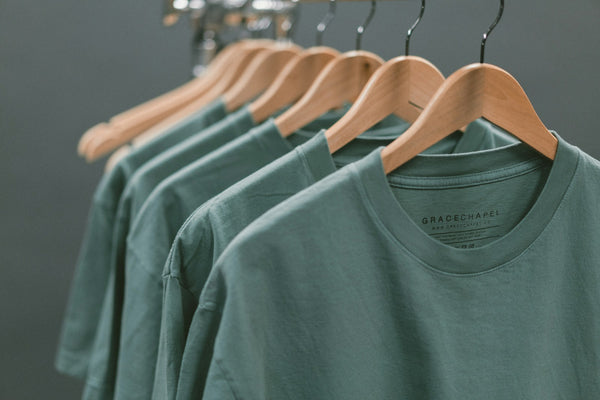
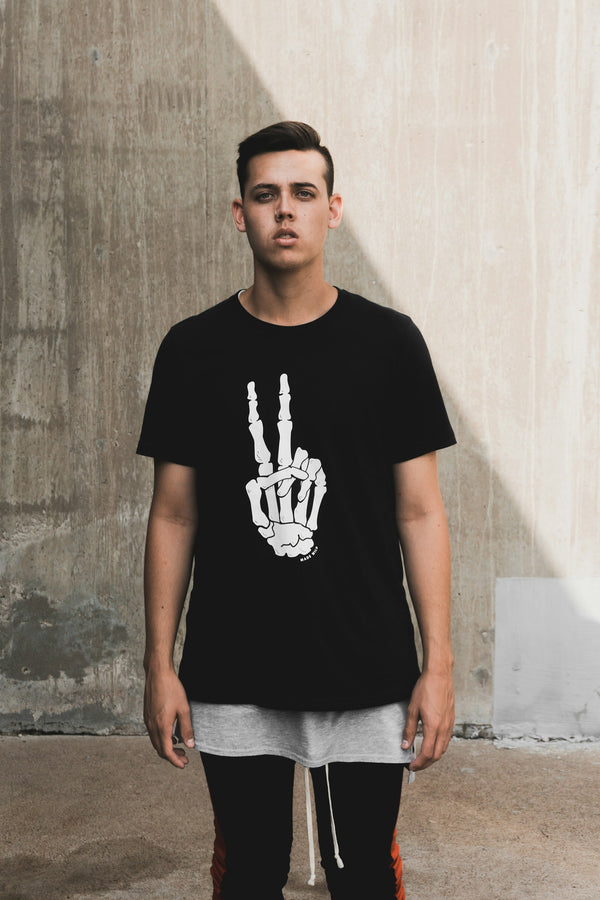
Sampling converts a specification into a physical garment before bulk production. It is where a brand tests fit, materials, construction and decoration while changes are still manageable.
Common sample stages
| Stage | Purpose | What to review |
|---|---|---|
| Development prototype | Test the initial concept and construction | Shape, details and feasibility |
| Fit sample | Correct measurements and balance | Fit model, movement and proportions |
| Size set | Check grading across sizes | Small, base and large sizes |
| Pre-production sample | Approve the production standard | Final fabric, trims, colour and branding |
| Shipment sample | Represent finished bulk goods | Final consistency and packing |
Not every project needs every stage. A simple product based on an established pattern may require fewer samples; a technical or highly customised garment may need more.
Before the first sample
Provide a current tech pack, artwork files, colour references, target measurements, fabric requirements and intended use. Identify which specifications are fixed and where the manufacturer may recommend an alternative.
How to review a sample
- Measure it: compare every point of measure with the specification.
- Fit it: use a suitable fit model and test natural movement.
- Inspect it: review seams, symmetry, pockets, fastenings and internal finish.
- Test it: wash according to care instructions and check shrinkage, twisting, colour and decoration.
- Document it: provide numbered comments with photos and measurements.
Useful feedback versus vague feedback
| Vague | Actionable |
|---|---|
| Make it looser | Increase half-chest by 2 cm in size M and grade proportionally |
| Logo is too low | Move logo centre 3 cm upward from approved position |
| Fabric feels cheap | Replace with 320 GSM cotton-rich brushed fleece; submit swatches |
Timing and revisions
Sample lead time depends on material sourcing and complexity. Build revision time into the launch plan. Combining all feedback into one organised revision round is faster than sending piecemeal changes.
Approval before production
Approve the final sample and updated tech pack together. Confirm that bulk production will match the signed standard and record any approved exceptions. Keep one approved sample when possible.
Red flags
- Bulk production is requested before specifications are approved
- Material substitutions are made without confirmation
- Measurements are not recorded
- Repeated issues are discussed but not added to the tech pack
- The sample uses different decoration from bulk production
A disciplined sampling process protects both quality and delivery time. Contact Florix Sports to discuss sample development for your product.
Frequently asked questions about garment sampling
How many clothing samples are normally required?
Simple products may need one or two rounds; custom fits, technical garments or new materials may need more. Approval quality matters more than a fixed number.
How long does a garment sample take?
Timing depends on material sourcing, pattern complexity and decoration. A commonly quoted range is one to several weeks, but confirm a project-specific schedule.
Should I wash-test the sample?
Yes. Follow the intended care instructions and measure shrinkage, twisting, colour change, pilling and decoration performance.
What is a pre-production sample?
It is the final sample intended to represent bulk production, using approved materials, trims, construction, colour and branding.