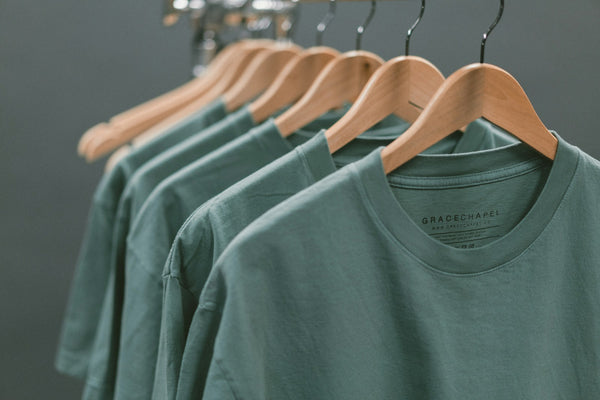
GSM means grams per square metre. It measures fabric weight, not quality. A heavier fabric can feel substantial, but fibre choice, yarn, knitting, finishing and construction also determine performance.
Typical GSM ranges
| Product | Lightweight | Midweight | Heavyweight |
|---|---|---|---|
| T-shirts | 120–160 GSM | 170–220 GSM | 230–350 GSM |
| Sweatshirts | 220–280 GSM | 290–360 GSM | 370–500 GSM |
| Hoodies | 240–300 GSM | 310–400 GSM | 410–500+ GSM |
| Performance tops | 100–150 GSM | 150–200 GSM | Varies by structure |
These ranges are guidance rather than fixed rules. A dense 200 GSM jersey may feel more premium than a loose 240 GSM fabric.
How GSM changes a garment
- Drape: lighter fabrics move more; heavier fabrics hold shape.
- Opacity: weight can improve coverage, though knit density also matters.
- Warmth: heavier fleece generally insulates more.
- Printing: stable surfaces often support crisp decoration.
- Shipping: heavier garments increase freight and fulfilment costs.
Choosing by product goal
| Goal | Consider |
|---|---|
| Hot-weather tee | Breathable fibre, lighter GSM and open structure |
| Premium oversized tee | Dense 220–300 GSM jersey with controlled shrinkage |
| Everyday hoodie | 300–380 GSM fleece or French terry |
| Structured streetwear hoodie | 400 GSM or above, balanced with comfort |
| Training top | Moisture management and stretch before weight alone |
GSM is only part of the specification
Always specify composition, construction and finish alongside GSM. For example, “320 GSM cotton-poly brushed fleece, pre-shrunk” is more useful than “heavy fabric.” Ask for swatches because colour and finishing can change perceived weight and handle.
Questions for sampling
- Does the fabric recover after stretching?
- Does it shrink, twist or pill after washing?
- Is the colour consistent under different lighting?
- Does it support the intended print or embroidery?
- Is the finished garment comfortable for its climate and use?
Choose GSM around the customer's experience, not a trend. A carefully engineered midweight garment can outperform an unnecessarily heavy one.
Request fabric and sampling guidance from Florix Sports for your next collection.
Frequently asked questions about fabric GSM
What GSM is best for a premium T-shirt?
Many premium tees sit around 180–250 GSM, while structured oversized styles may be heavier. Knit density, fibre, finish and fit matter alongside weight.
What GSM is suitable for a hoodie?
Everyday hoodies often use roughly 300–400 GSM fabric. Lightweight layering pieces may use less, while structured cold-weather hoodies can exceed 400 GSM.
Does higher GSM mean better quality?
No. GSM measures weight. Quality also depends on yarn, construction, finishing, colourfastness, shrinkage and sewing.
How can I verify GSM?
Request the supplier specification and a swatch or sample. Professional testing weighs a known fabric area and converts the result to grams per square metre.